 Kuumba
The meaning behind the name
"Kuumba" is Swahili for creativity — the sixth principle of the Nguzo Saba: to leave your community more beautiful and beneficial than you inherited it. "Code" means both the software you write and the code you live by. Together, our name stands for creativity, capability, and community.
- Creativity is a skill everyone deserves the tools for.
- Live and virtual, taught in English and Dutch — beginners welcome.
- Every course ends in something real that you built yourself.
We teach the tools that
used to be gatekept.
What that looks like in practice, and who it is for.
Our mission is to make artificial intelligence and modern technology accessible to people who are too often excluded from these opportunities.
We provide free technology education to underserved communities — including young people, adults, seniors, foster youth, minority communities, and individuals with limited access to digital training. We want people to understand that AI is not something to fear — it is a tool they can learn to use to create, communicate, earn income, build businesses, and participate confidently in the future.
Schools, nonprofit organizations, foster care programs, senior living communities, youth centers, community organizations, and other institutions may invite us to provide training for the people they serve.
Our services are provided at no cost to participants and the communities we serve. Our work is supported through grants, donations, sponsorships, and community partnerships.
We are not limited to working with one organization, one community, or one country. Our goal is to collaborate with schools, nonprofits, care facilities, community leaders, and institutions wherever there is a need for accessible technology education.
Our educational programs may include
- AI and digital literacy
- AI-powered music and creative production
- Digital storytelling and content creation
- AI for sales, marketing, and entrepreneurship
- Technology and career-readiness skills
- Responsible and practical use of emerging technology
One-day workshops, multi-day boot camps, weekly classes, short-term training programs, or longer educational programs — depending on the needs of the community, available funding, location, and instructor availability.
Girls deserve room to be imperfect
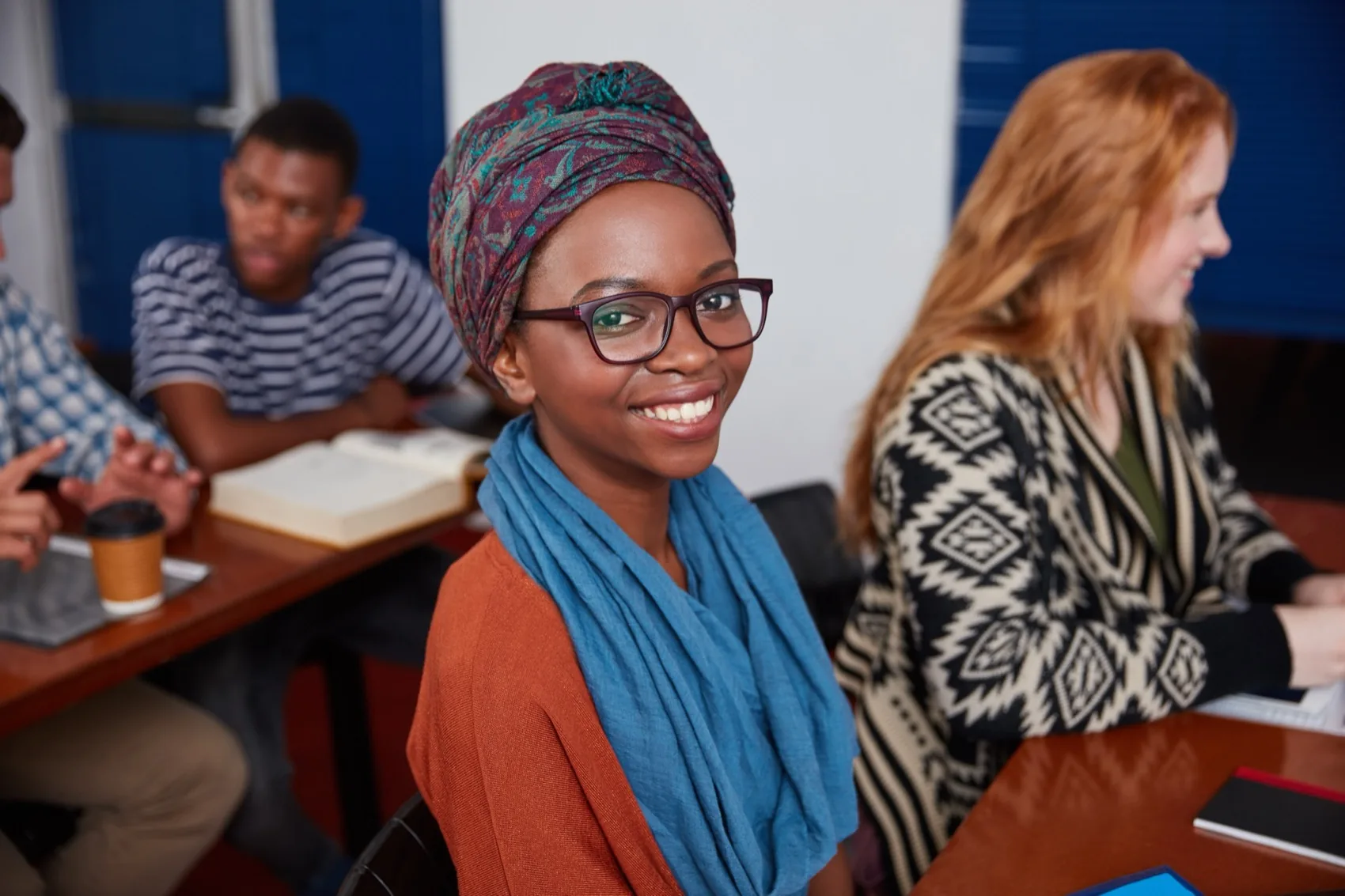 Room to ask any question
Kuumba Code is for everyone — all ages, all genders, across every community we serve. And because confidence isn’t handed to everyone equally, we also run classes, sessions, and bootcamps designed specifically for girls.
Girls are often expected to be perfect: to get it right the first time and never make a mistake. Boys are usually given more room to experiment, break things, and try again without being made to feel stupid or belittled. That gap starts early — and it shows up in who believes they belong in technology.
Our girl-focused spaces are built to make mistakes safe: room to ask any question, break things and fix them, and learn that being wrong is just part of building. Girls leave knowing more tech — and knowing they belong in it.
The values we build on
We hand people the keys. We don't rescue anyone.
Self- determination
We hand students the keys to build for themselves. You are the creator and the founder here — not a project to be fixed.
Real over theoretical
Every course ends in something built — a real page, a real audience, a real offer. You leave with work, not just notes.
Radical access
Free, online, and taught in students' own languages. Cost, distance, and gatekeeping should never decide who gets to build.
Dignity first
We talk to students as creators and founders. Creativity is a skill everyone deserves the tools for — and we mean everyone.


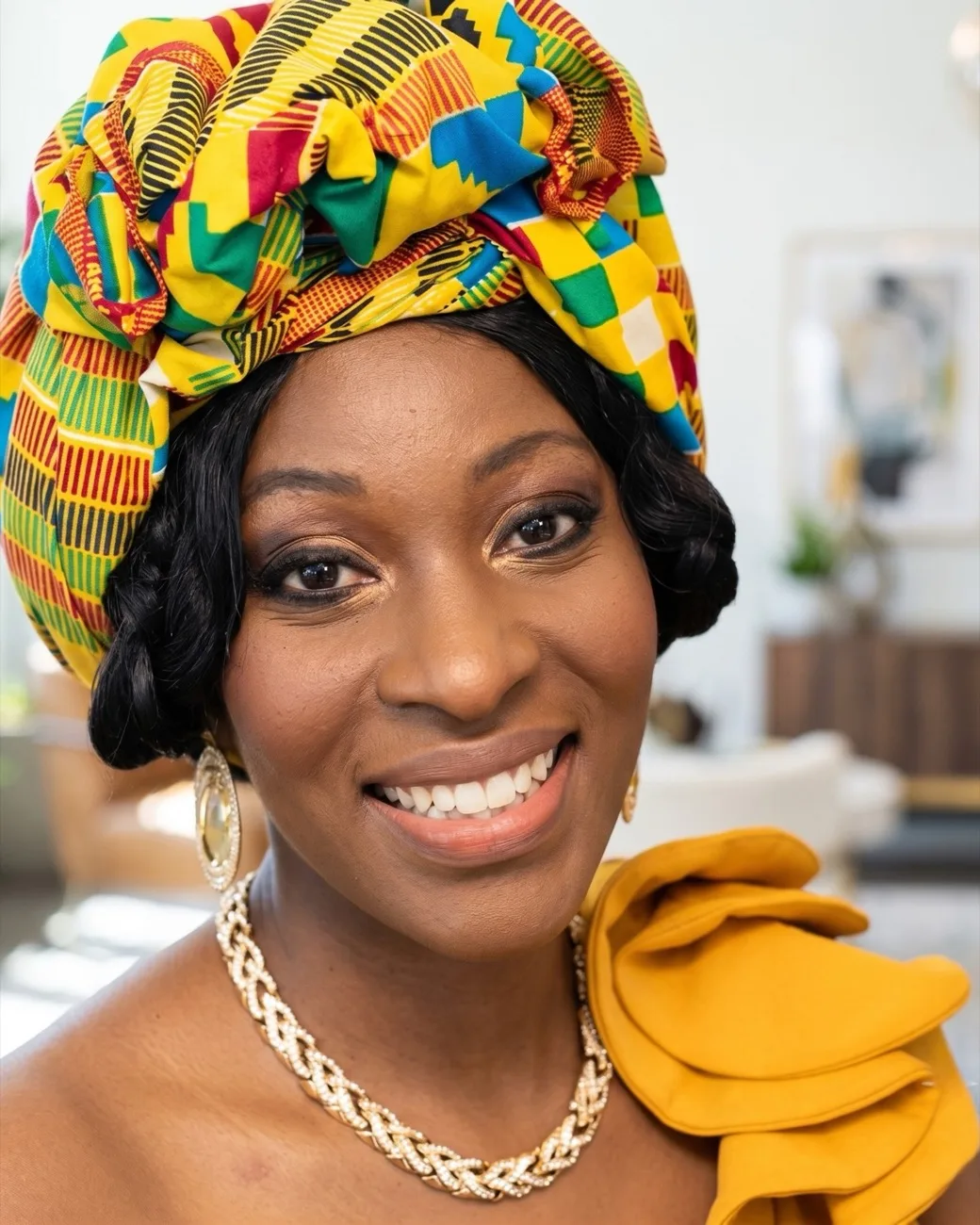
Styner Stiner
I am a Suriname-born American founder, full-stack developer, technology educator, creative producer, and international program leader. I carry two countries in one life — and Kuumba Code is what I built with both.
- SaaS Founder, Full-Stack Systems Architect & Product Builder
- Founder, Program Director & Lead Instructor of Kuumba Code
- Suriname-Born American Technology Educator · Creative Producer · Global Digital-Access Advocate
Before I taught this, I built it.
I spent years in work where the details are not decoration — they are the whole job. I worked in banking in the United States, in both personal and business banking. I worked at Timios, a national title company, making sure a property’s title was clear before a family bought a home — no clouds, no liens, nothing hiding in the record.
That work teaches you something software people often learn too late: a single wrong record costs a real person something real. So when I started building my own platforms, I built the kind that have to be right — secure, database-driven production systems, not marketing sites. Relational databases, authentication and access control, protected APIs, audit logging, and role-based dashboards.
I have also taught third- and fifth-grade mathematics — in Suriname. Standing in front of a room of nine-year-olds and making an idea actually land is its own discipline, one that has very little to do with how well you know the material and everything to do with meeting someone exactly where they are. I learned to teach long before I taught this, and I learned it in the country where I was born.
BenefitsSafe is a compliance and restricted-funds management platform for nonprofits. When an organization hands money directly to someone receiving SSI, Medicaid, or SSDI, that payment can put their eligibility at risk. BenefitsSafe creates a safer path — routing restricted funds toward approved vendors, flagging the benefit programs tied to each beneficiary, and documenting how every dollar is approved, spent, and audited.
What I built into it
- Application architecture across administrators, beneficiaries, grant managers, vendors, and auditors
- Relational database design — grants, beneficiaries, benefit programs, budgets, transactions, vendors, and compliance records
- Authentication, authorization, and role-based dashboards
- Grant workflows — budgets, expenses, and utilization tracking
- Beneficiary records with masking for sensitive identity data
- Protected API routes, validation, and audit logging
- Compliance checks against benefit restrictions
- Reporting dashboards for operations and audit review
With PenSafe Studio I built a developer–client management platform: separate dashboards, project organization, website records, client credentials, tasks, calendars, and messaging. The thread through all of it is the same — I build secure platforms that organize complex operations, control access to sensitive information, and give each person exactly the tools their role requires.
That is the discipline I bring to a classroom. I am not teaching students to admire technology from a distance. I am teaching them to build things that hold up.
Becoming American did not erase where I come from.
On paper and by citizenship, I am American. The United States is where I developed most of my professional, technical, entrepreneurial, and educational work — where I built businesses, worked as a full-stack developer, made creative projects, and founded Kuumba Code.
But becoming American did not erase my Surinamese identity. I carry both, and my life sits at the meeting point of the two.
My life connects
- Suriname and the United States
- My birthplace and my present home
- My father’s revolutionary history and my own institution-building work
- The Caribbean and the African diaspora
- Cultural memory and modern technology
- Family legacy and future opportunity
This is not an expansion project.
My family’s movement between Suriname and the United States runs through my father’s history. Watani Stiner — a Black Power revolutionary elder and COINTELPRO survivor — lived in Suriname through years of exile and raised part of his family there. His political history, his exile, and his eventual return to the United States are an inseparable part of my own.
Bringing Kuumba Code to Suriname is not international expansion. It is a return to the country where I was born and where my umbilical cord remains buried — and an opportunity to give something back to it.
Establishing Kuumba Code in Suriname is not an outside organization entering an unfamiliar country. It is a daughter of Suriname returning knowledge, technology, education, mentorship, professional networks, and international opportunity to the land where my life began.
It is a return.
It is an act of responsibility.
Through Kuumba Code, Surinamese young people gain access to
- Artificial-intelligence education
- Digital skills
- Technology
- Professional mentors
- International speakers
- Entrepreneurship training
- Leadership development
- Career preparation
- Creative opportunities
- Global professional networks
I want young people in Suriname to understand that their geography does not determine the limits of their talent or their future. This work builds a bridge — connecting Surinamese students with educators, attorneys, healthcare leaders, university scholars, technology executives, entrepreneurs, developers, historical educators, and mentors across the United States and the international diaspora.
Through Kuumba Code I am building an educational bridge between Suriname, the United States, Nigeria, and the broader African diaspora. I am not returning to Suriname to teach a temporary class. I am working to establish a lasting educational relationship with Mama Suriname — Mama Sranan.
I want to be clear about one thing, though: Suriname is where I am from, not the boundary of this work. Our first cohort is in Nigeria. We teach in the United States. We go where we are invited, and we are building a network that reaches across the diaspora. Suriname explains why I do this. It was never meant to be the limit of who I do it for.
Being from one place and building in another is exactly what taught me the thing this program runs on: where a child happens to be born should never decide what they are allowed to become. That is true in Paramaribo. It is just as true in Abeokuta, in Oakland, and anywhere else we are invited.
American by citizenship. Surinamese by birth, family, history, culture, and spirit. Suriname will always be Mama Suriname — the land where my life began and where my umbilical cord remains buried.
Mama Sranan — pe mi libi bigin, pe mi kumbatitei beri.
Mama Suriname — the land where my life began and where my umbilical cord remains buried.
Meet your instructors & mentors
The people who teach, build, house, and fund Kuumba Code — a founder who leads every class, a creative technologist who turns talent into opportunity, a doctorally prepared role model, a JD/MBA who teaches students to protect their worth, the partner who gives our Nigeria students a real campus, and the fiscal sponsor who makes every gift tax-deductible. Swipe to meet them all.
Styner Stiner
Founder & Creative Technology Architect
stynerdev.comStyner Stiner is the founder and lead instructor of Kuumba Code, a creative technology program helping young people in Nigeria, Suriname, and the United States learn coding, AI tools, digital creativity, and real-world problem solving. A full-stack builder, creative producer, and systems thinker, Styner created Kuumba Code to give students the tools, confidence, and mentorship to become builders of their own future — connecting technology, music, storytelling, entrepreneurship, and community impact. Through hands-on projects, students learn to build websites, use AI responsibly, explore creative technology, and see how digital skills can support education, income, leadership, and self-expression.

Sergio Valentin — GLG
Creative Technology Mentor & BeatMaster Artist
Sergio Valentin, known professionally as GLG, represents the creative side of Kuumba Code and BeatMaster: music, digital production, storytelling, and the power of technology to turn raw talent into real opportunity. Through GLG's example, students see that technology isn't only for building apps — it can produce beats, organize a music catalog, prepare releases, protect creative work, and build a professional brand. A beat can become a business; a song can become a product. GLG shows students they don't have to choose between being creative and being technical — they can be both.
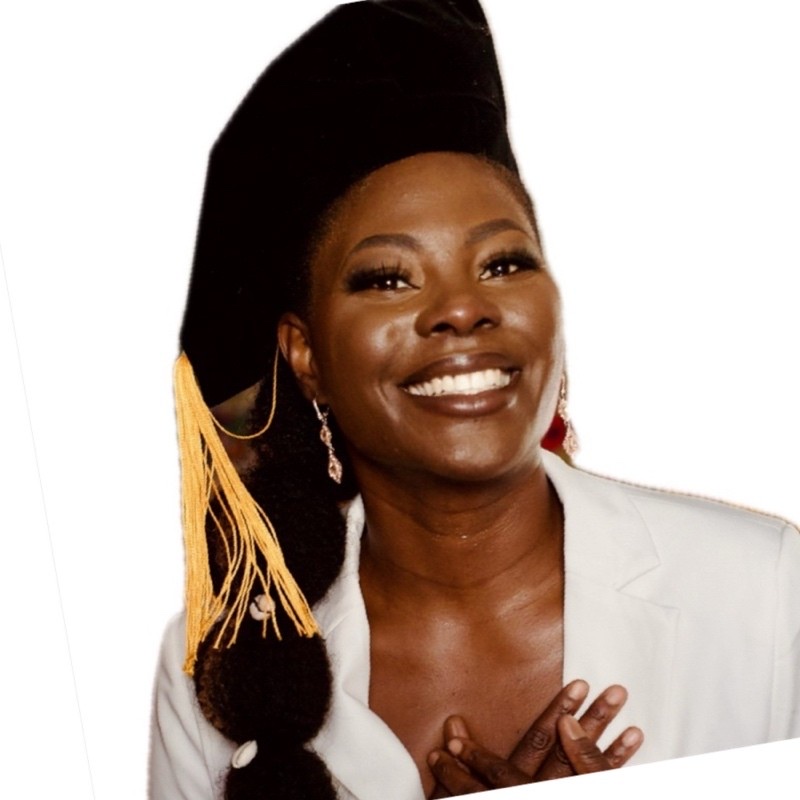
Dr. Uzo Nwankpa, DNP
Professional Role Model & Wellness Mentor
LinkedInDr. Uzo Nwankpa is a doctorate-prepared nursing leader, educator, researcher, and wellness advocate whose work focuses on healing, leadership, and burnout prevention. Her presence is especially powerful for girls in Nigeria and other students who need to see women of African heritage leading with intelligence, care, culture, and authority. Her story tells every student that success is not limited to one path — a young girl can become a nurse, a leader, a professor, a researcher, a founder, and a speaker. Your background is not a limitation; your voice, culture, education, and discipline can become your power.
.webp)
Damond Isiaka, JD, MBA — “The Fixer”
Legal Counsel & Instructor, Ethics + Negotiation
View profileDamond Isiaka is a distinguished mediator, coach, and speaker specializing in government regulations, legal compliance, and business management. An award-winning real estate broker recognized by the Texas Real Estate Commission (TREC) as a thought leader and certified education provider, he brings his law degree and MBA together to drive innovation wherever he works. Since 2012 he has helped clients navigate business and society’s most complex challenges at the intersection of law, economics, and society. At Kuumba Code he serves as our legal counsel and teaches students the skills no one else teaches early enough: how to negotiate their worth, protect their work, and lead with ethics in tech and business. Juris Doctorate (JD), Oklahoma City University School of Law; MBA, Meinders School of Business, Oklahoma City University.
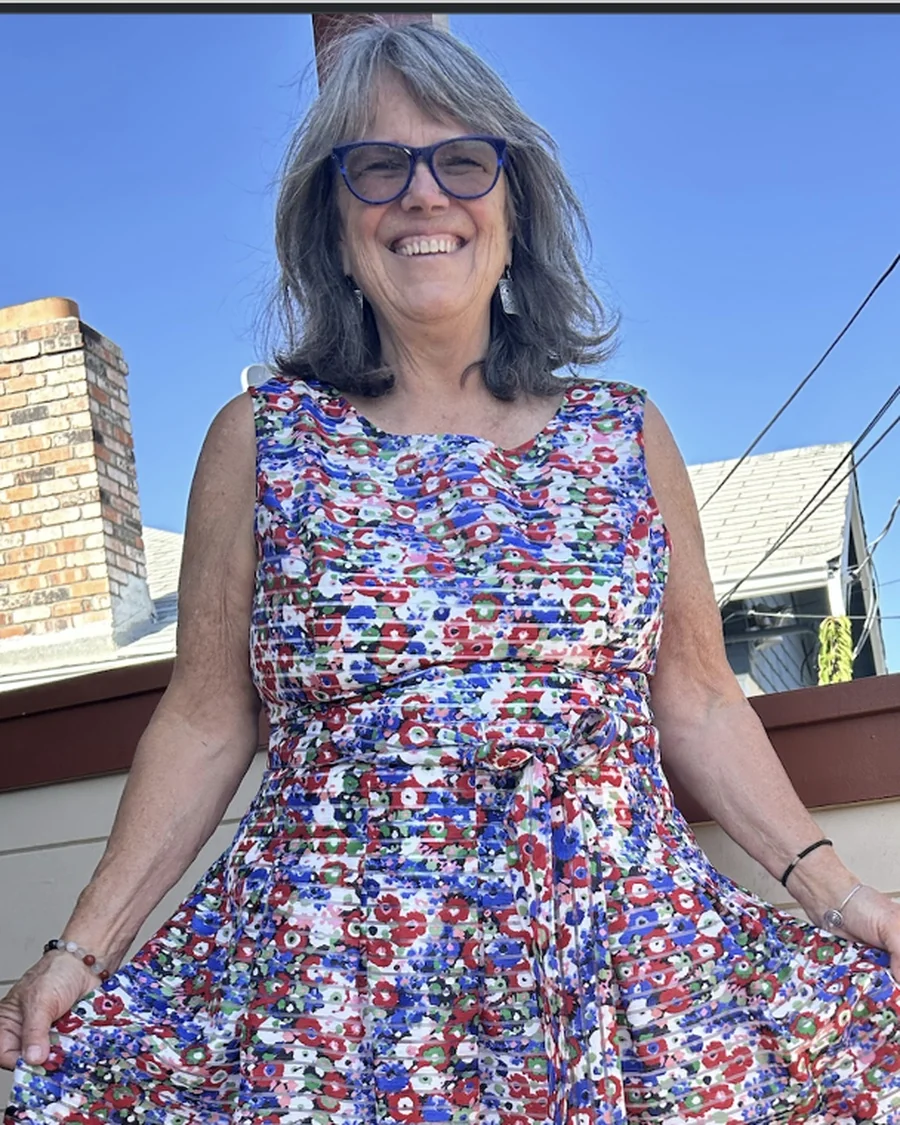
Anne Symens-Bucher (“Aunty Anne”)
Fiscal Sponsor & Community Anchor
Founder, Canticle Farm
canticlefarmoakland.orgAnne Symens-Bucher is the founder of Canticle Farm, an intentional community and 501(c)(3) nonprofit in Oakland, California's Fruitvale district — and Kuumba Code's fiscal sponsor. Every gift to Kuumba Code is received and administered through Canticle Farm (EIN 46-1484633) with full financial oversight, tax-deductibility, and donor privacy. Known to our students as “Aunty Anne,” she anchors Kuumba Code in a decades-deep legacy of community care, hospitality, and social justice work in Oakland.
Four ways to put your hand on the door.
Kuumba Code is free for every student we teach, and it stays free because of people like you. Lend your time, your voice, or your resources — every gift opens a door.

Volunteer
Tech support, translation, design, outreach, or a guest talk — there's a role for every skill and schedule.
Start volunteering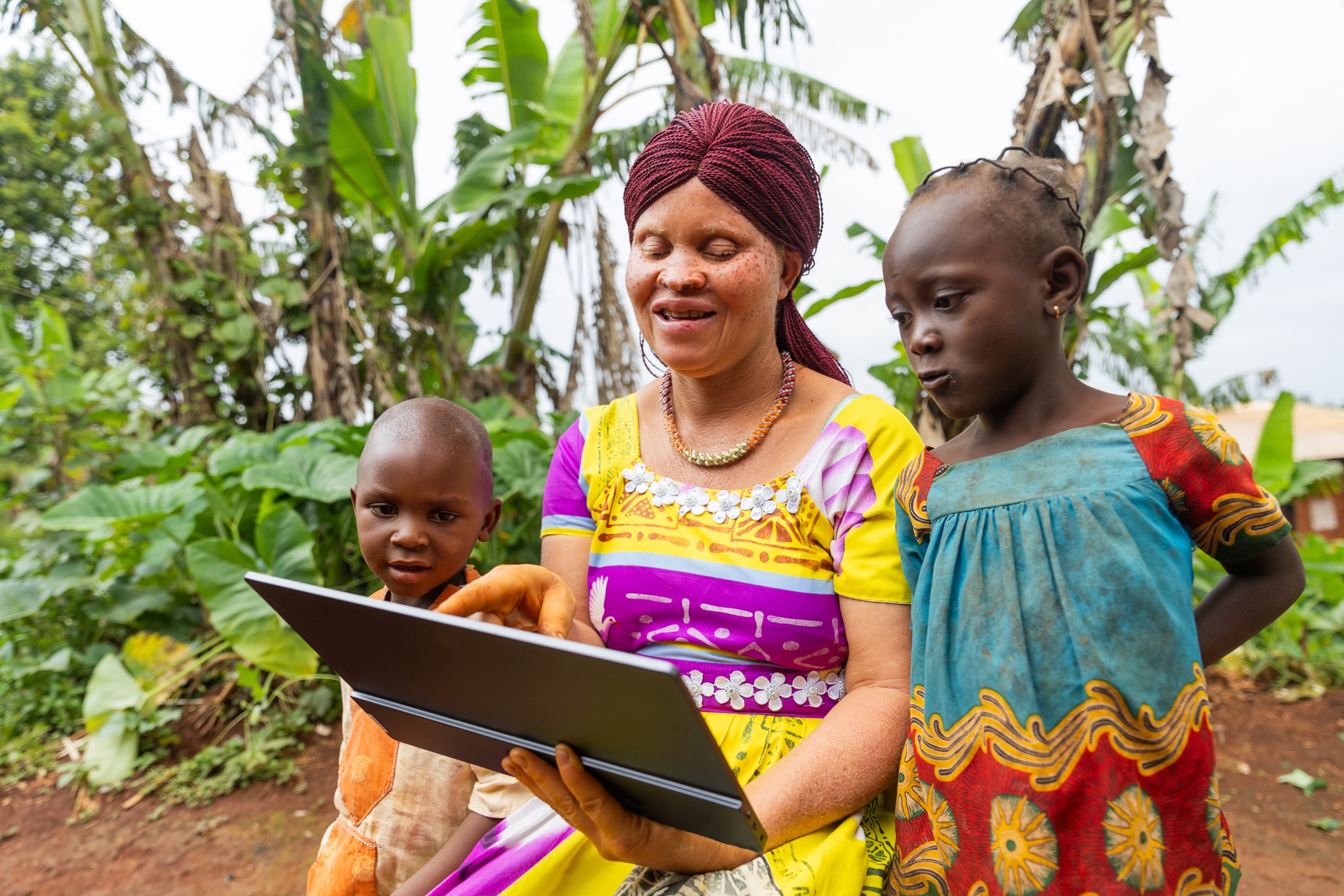
Become a mentor
Coach a young builder or speak to a cohort. Your career, craft, and story open doors students can't yet see.
Apply to mentor
Donate & sponsor
Every dollar keeps the program free and is tax-deductible through our 501(c)(3) sponsor, Canticle Farm.
Sponsor a student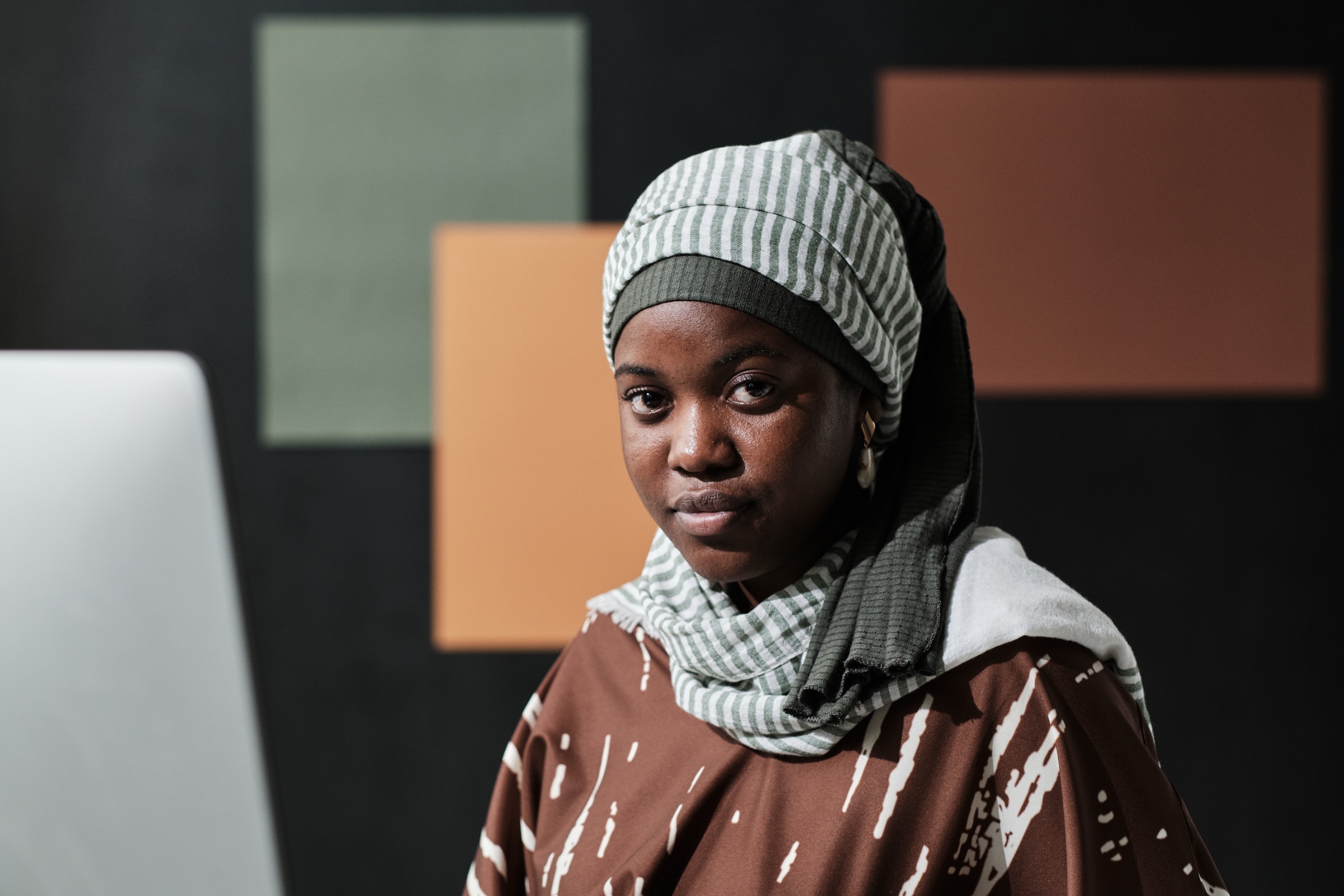
Partner & support
Schools and companies: provide laptops, data, internships, and real opportunities for our graduates.
Partner with us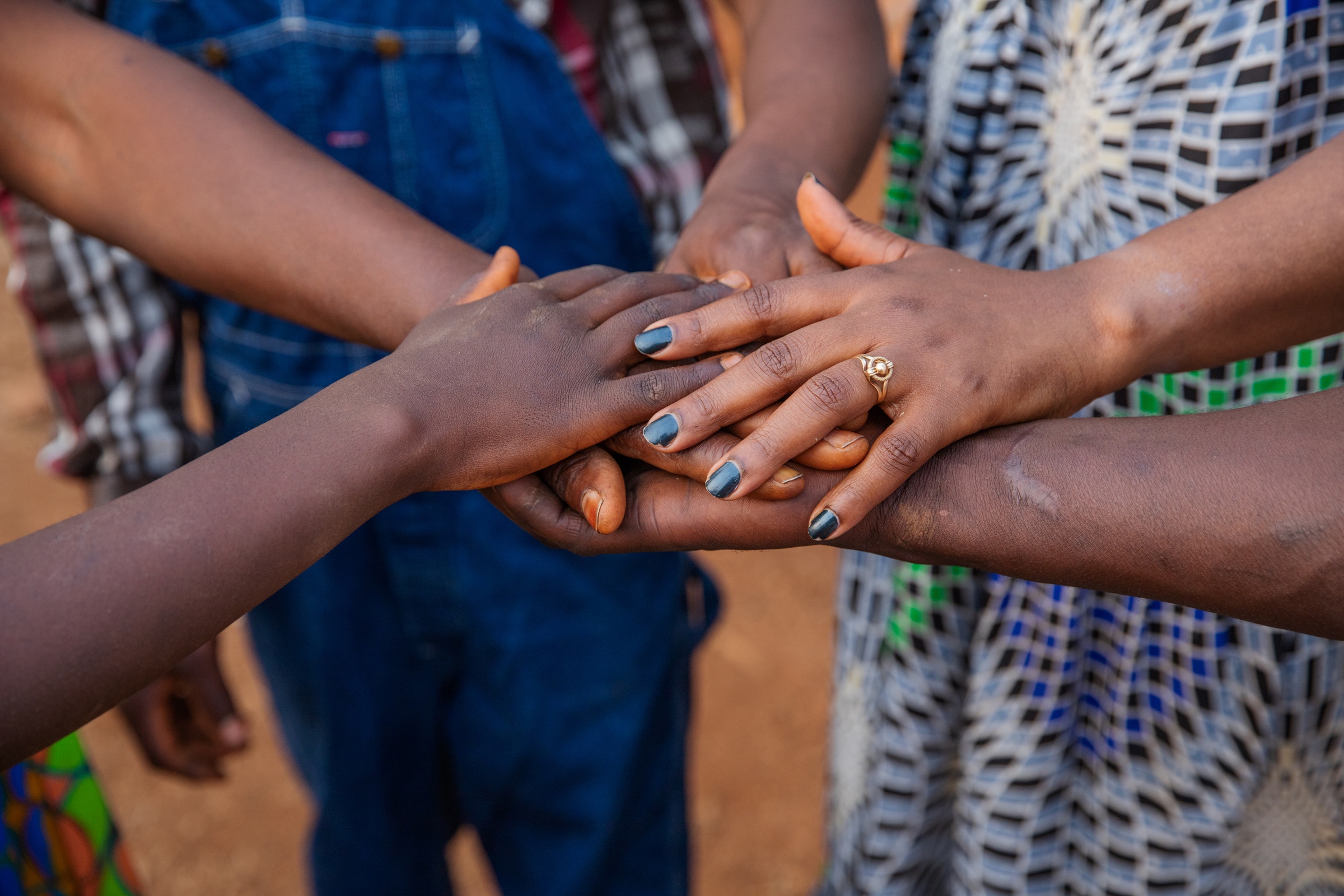
Incubated at Canticle Farm, built to be trusted
Kuumba Code was incubated at Canticle Farm in Oakland, California, and is fiscally sponsored by Canticle Farm, a 501(c)(3) nonprofit (EIN 46-1484633). That means every donation is tax-deductible through our sponsor, and every dollar goes toward keeping the program free for the underserved communities we serve.

Stay close to Kuumba Code
Leave your email and we will let you know when the next free cohort opens and how you can take part.